
Better coasts are a team effort
We work with partners who share our aim of protecting and regenerating coastlines - to reduce risk, conserve habitats and build the evidence on what works.
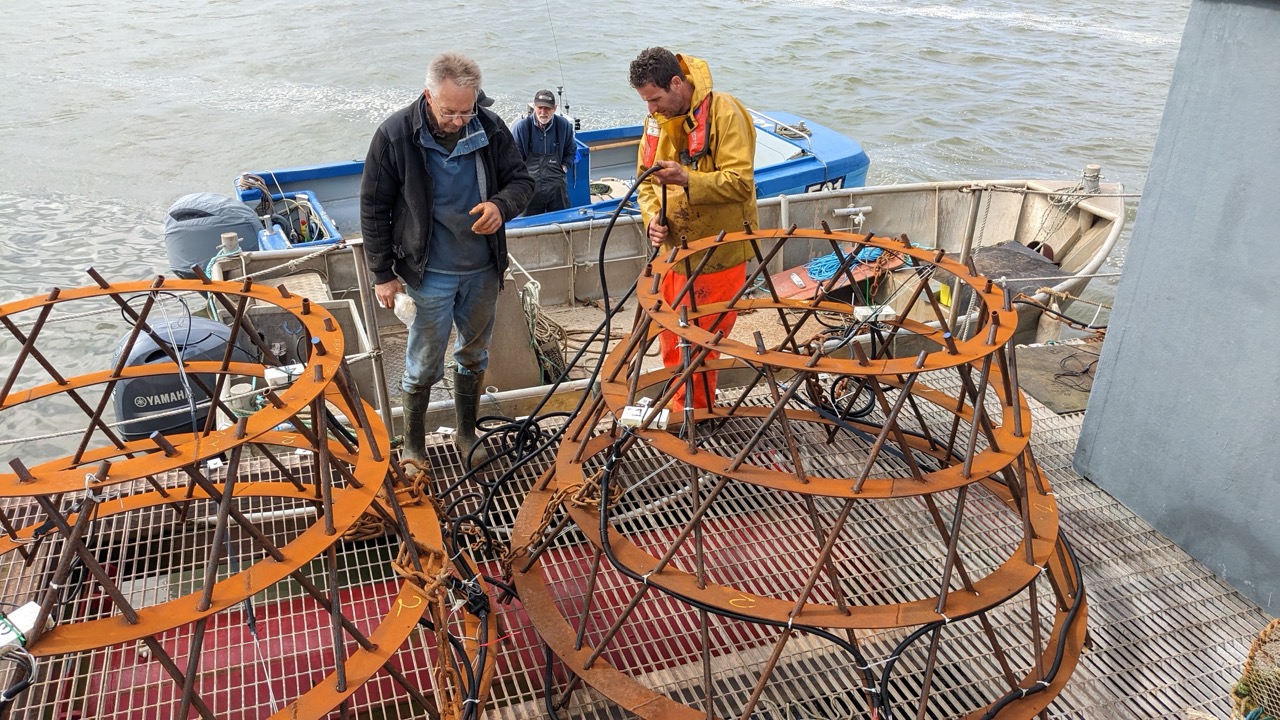
Reefs take energy out of waves before they reach property. We want to work with insurers to measure that, and to reflect it in how coastal risk is priced.
Site modelling of storm and wave exposure, before and after a reef, plus monitoring data over time.
Pilot sites, co-funding and referrals to exposed clients.
Talk to us about a pilot
A cost-effective way to protect coastal habitats, heritage and the communities who depend on them, with more visitors as a bonus.
Reef design, community build days, and data you can use in funding bids and reports.
Sites that need help, joint funding bids and local partners.
Propose a site
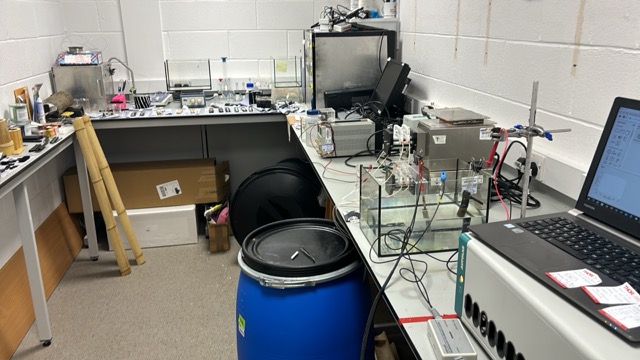
Every CCell reef is instrumented. That makes it a working site for research on materials, marine ecology, acoustics and coastal processes.
Access to reef sites, CCell Sense data, and joint grant applications.
Independent validation, published results and research partners.
Collaborate on researchWorking reefs in Mexico and test sites in the UK, from warm Caribbean water to the cold Irish Sea.
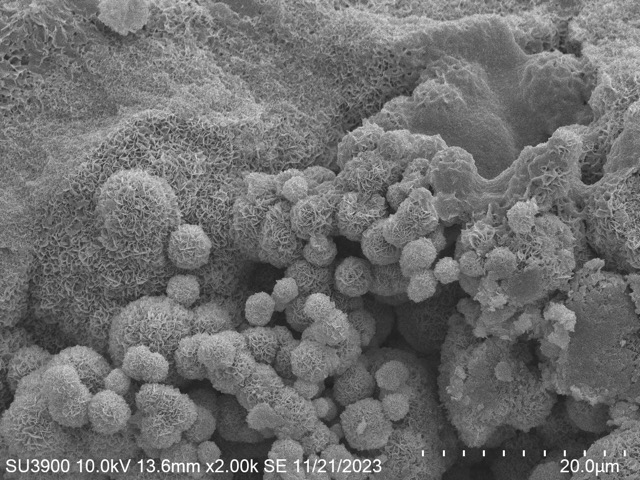
Our electrochemical process grows limestone on reef structures, the same minerals corals and shellfish build with.
CCell Sense logs power, environment and growth, with sensors added as your study needs.
Hydrodynamic modelling, structural design and fabrication, so your experiment survives the sea.


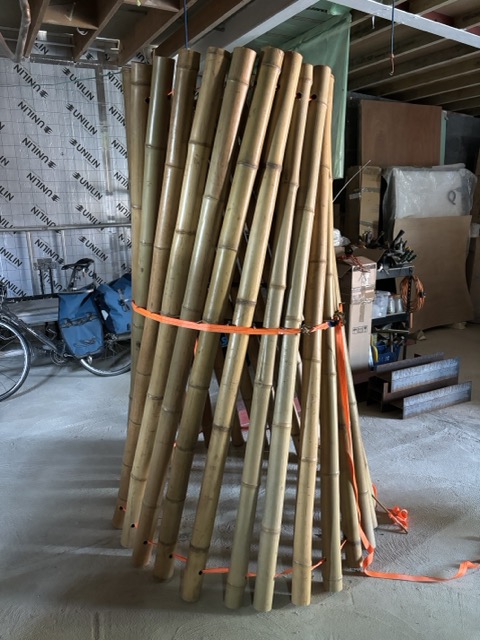
The BEARS project developed coatings that let rock grow on bamboo, opening the way to lighter, bio-based reefs.
Read about BEARS
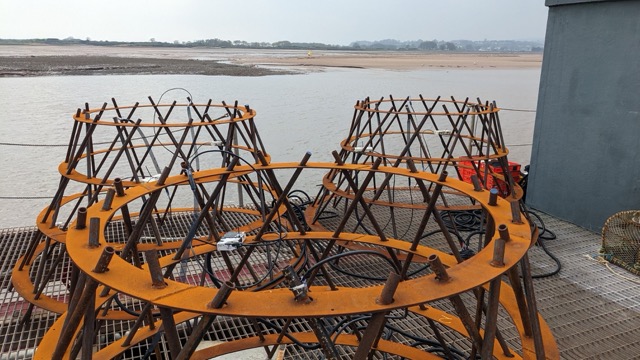
ARMOUR showed reclaimed steel can make effective reefs, cutting embodied carbon by about 45% compared with new steel.
Read about ARMOUR
Working with Cornell's conservation bioacoustics team on how reef sounds can track marine life.
Explore our researchAlso with Imperial College London, the Ocean Conservation Trust, the Living Reefs Foundation, UCL, and ICTP-CSIC in Madrid.
Our reefs carry CCell Sense, our own monitoring system, with environmental sensors. With the site owner's agreement, that data can support research, conservation and risk work.

Many partners report against the UN Sustainable Development Goals. Our work overlaps most with these.
Life below waterRestoring marine and coastal ecosystems, and building marine research capacity.Targets 14.2 and 14.a
Climate actionStrengthening coastal resilience to climate-related hazards.Target 13.1
Sustainable cities and communitiesReducing losses from water-related disasters and protecting natural heritage.Targets 11.4 and 11.5
Targets: UN Department of Economic and Social Affairs. Icons: UN Sustainable Development Goals, used under the UN SDG guidelines. The content of this page has not been approved by the United Nations and does not reflect the views of the United Nations or its officials or Member States. More on our sustainability
A site, a research question, a funding call or a risk portfolio. We will come back to you within two working days.
Paul Savill, Head of Client Services
paul@ccell.eco | +44 (0)207 690 0485